The Refugee, Illuminated
The Refugee, Illuminated is a multi-year research, artistic, and archival initiative that breathes new life into the 120-year-old Karagöz puppets of Abkar Knadjian—survivors of exile, war, and generational silence. Digital archive, scholarly collaboration, and exhibition, the project brings together researchers, artists, and cultural institutions across Armenia, Turkey, Syria, Greece, France, and the United States.
These puppets are refugees in their own right, crossing borders, surviving erasure, and carrying ancestral memory through displacement. When illuminated, they invite us into a shared space of contemplation and recognition, reminding us, much like contemplative traditions teach, that light and shadow shape one another.
The Story
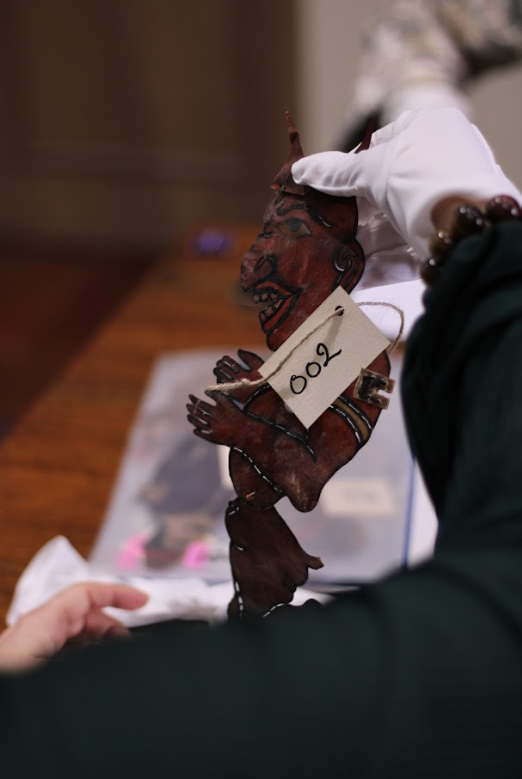
In 2019, artist Sona Tatoyan discovered 180 Karagöz puppets belonging to her great-great-grandfather, Abkar Knadjian of Urfa, hidden for decades in the attic of her family’s war-torn Aleppo home. These survivor objects, witnesses—hold memory in leather, pigment, gesture, and humor.
The project reframes them not as relics of loss, but as carriers of cultural memory, artistry, and resilience. At its core, The Refugee, Illuminated invites a double witnessing:
- the witnessing of a people’s journey through rupture, creativity, continuity, and survival; and
- the witnessing of one’s own inner landscape, where attention transforms shadow into meaning and exile into a deeper sense of belonging.
By bringing humility, presence, and awareness to these puppets and the stories they carry, we honor both their historical truth and the universal human longing for refuge, remembrance, and home.
The Work
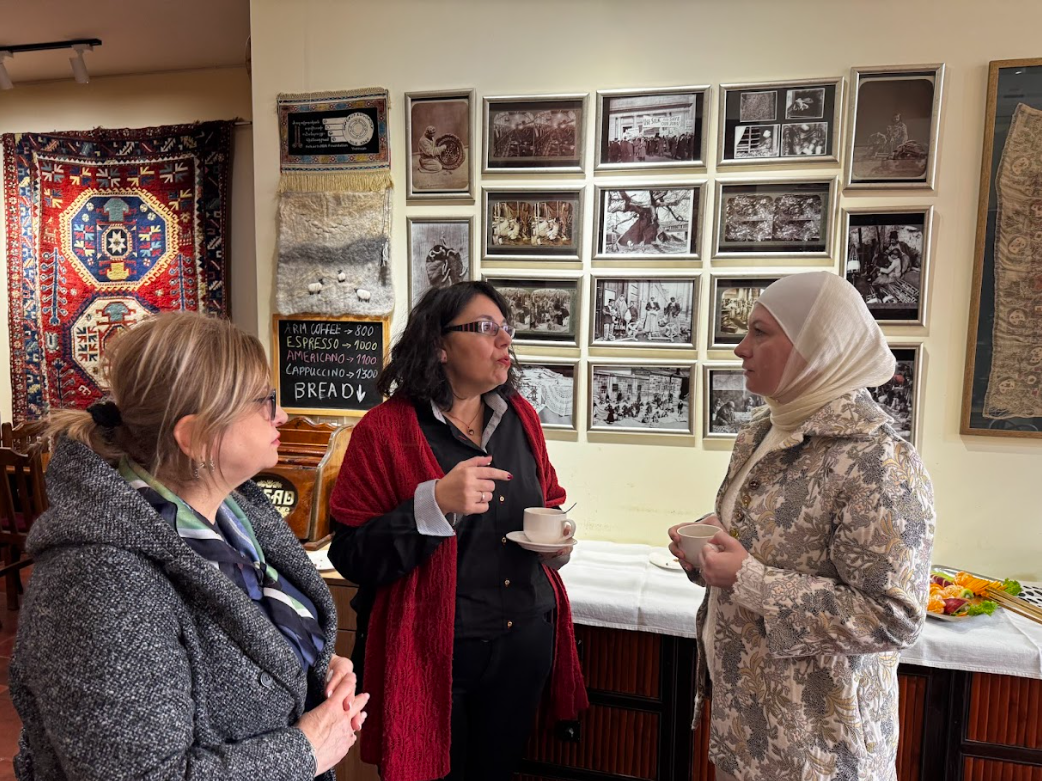
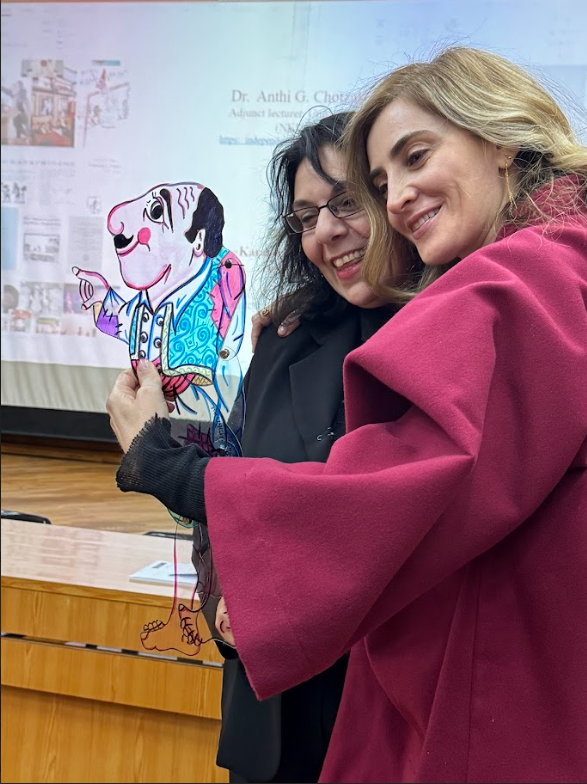
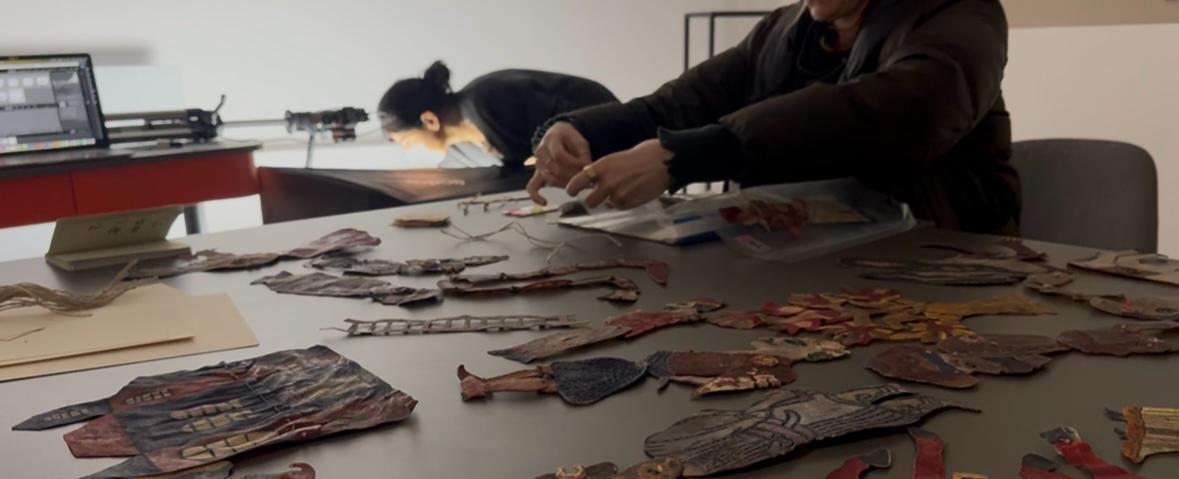
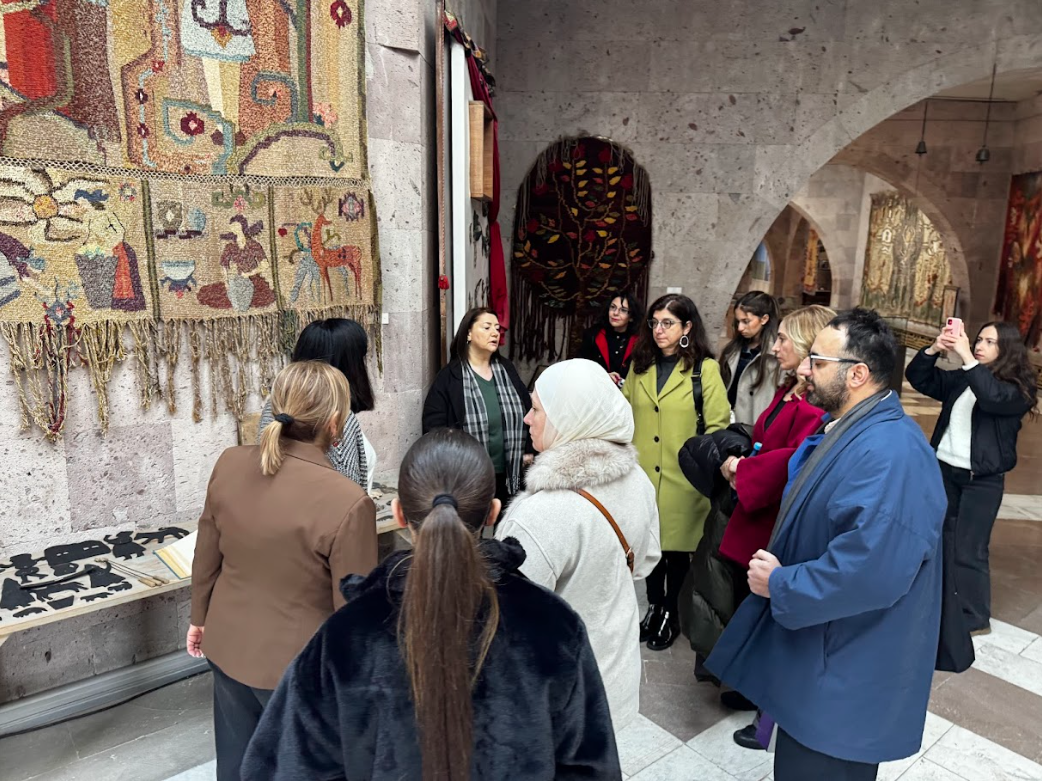
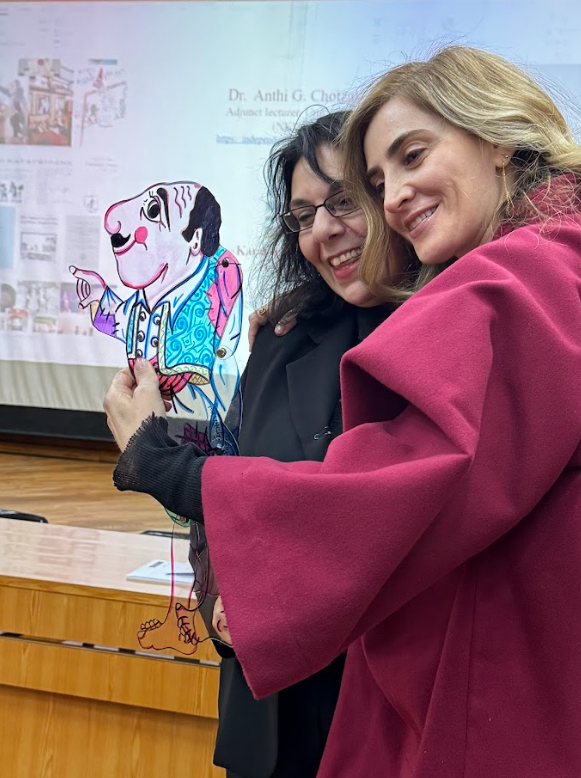
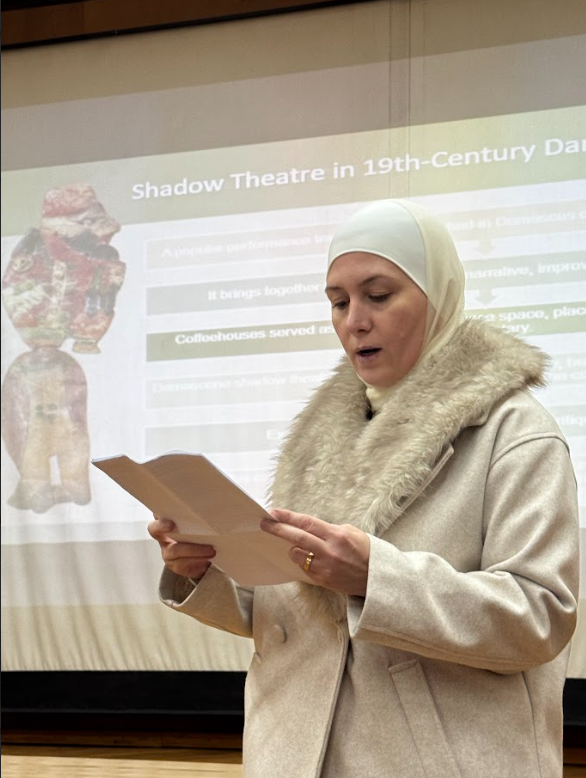
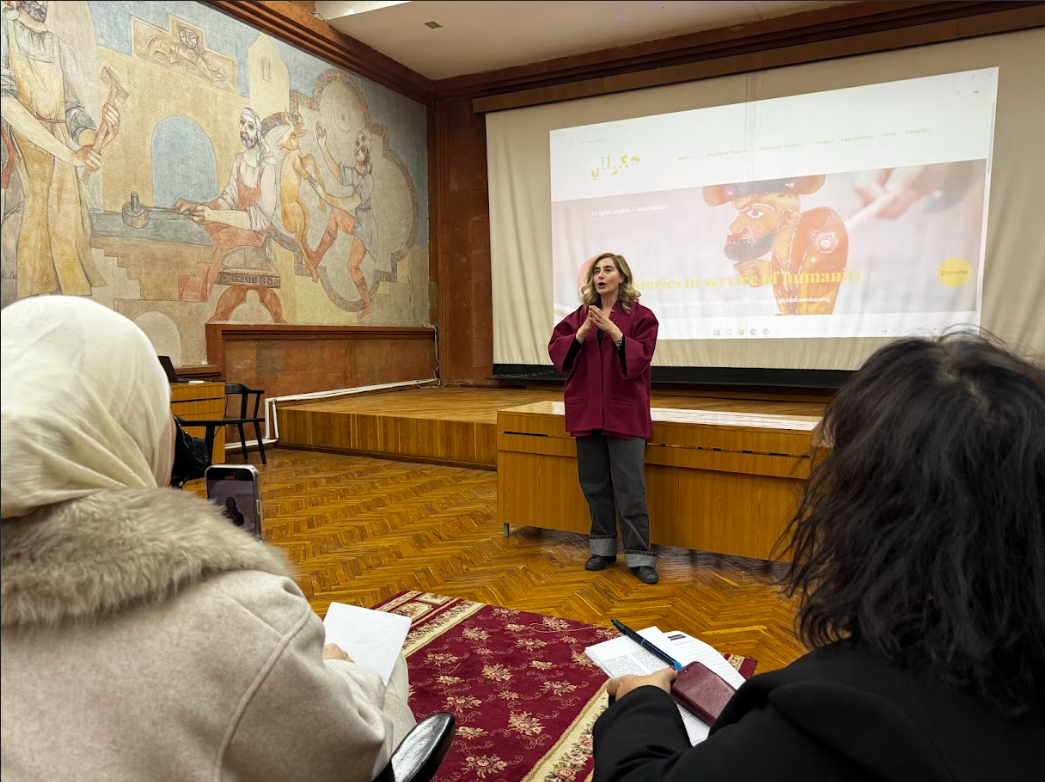
In November 2025, Hakawati hosted Memory Lab, a three-day research gathering in Yerevan dedicated to the first collective study of the recently rediscovered shadow puppets of Abkar Knadjian. These 180 translucent leather puppets, carried across generations and geographies, hold stories of migration, survival, and cultural memory. Until now, knowledge about them existed only in fragments. Memory Lab brought scholars, artists, archivists, and culture-bearers together to begin building a shared foundation.
Over three days, participants examined the puppets firsthand, explored their historical and stylistic markers, reviewed cataloguing and digitisation methods, and discussed how performance traditions, archival science, and narrative practices can help reveal the full significance of the collection. The group agreed to refer to the material as the Abkar Knadjian Collection (AKC), recognising its distinct identity and the need for careful, long-term study.
The Team of Scholars & Contributors
Lead Research & Editorial
- Raffi Niziblian (Armenia/Canada)
Head of Hakawati Armenia, Producer of the project & workshop lead. - Tigran Amiryan, PhD (Armenia/Germany)
Research Strategist, CSN Lab – lead editor synthesizing the scholarly output into the 2026 publication. - Sona Tatoyan (USA/Armenia)
Creative Director, inheritor of the collection – bridging artistic interpretation, memory work, and performance.
Regional Scholars
- Dr. Hala Qasqas (Syria/UK)
Barakat Trust Postdoctoral Fellow, Oxford – specialist in Ottoman-era Syrian shadow theatre. - Dr. Anthoula Chotzakoglou (Greece)
Art historian, researcher of Karagiozis and Eastern Mediterranean performance culture. - Dr. Talin Suciyan (Turkey/Germany)
Historian – mapping Armenian diaspora archives and performance references across the Ottoman and post-Ottoman worlds. - Prof. Tamar Hayrapetyan (Armenia)
Folklorist, Yerevan State University – specialist in Armenian Gharagyoz traditions. - Ayhan Hulagu (Turkey/USA
actor, writer, and puppeteer, brought Karagöz shadow puppet theater to American stages
Archival Specialist
- Tamar Sarkissian (France)
Expert in photographic documentation and metadata systems; leading digitization.
Their work together, across languages, borders, and lived histories, is an act of cultural diplomacy.
Outcomes of the Workshop
• Initial typologies, motifs, and structural features identified
• Agreement on cataloguing principles and digitisation standards
• Establishment of a six-month research and metadata plan
• Shared interest in contemporary artistic reinterpretation and multimedia adaptation
• Creation of The Abkar Network, a monthly online continuation of the workshop for ongoing research, collaboration, and publication planning
What the Project Will Create
The Refugee, Illuminated brings together scholarship, memory work, and artistic imagination to transform a once-silent archive into a living cultural ecosystem. Following the Memory Lab workshop, scholars will now undertake months of research to produce analytic articles, which will be woven into an introductory publication. The project then blossoms outward:
- Publications starting with a creative print and digital Zine;
- Symposiums in Europe and the U.S.;
- Exhibitions featuring Abkar’s puppets;
- Multimedia installations and performances giving voice to Abkar’s characters;
- Collaborations with artists, filmmakers, technologists, and educators.
This is only the beginning. These components are in development.